
Midway through an afternoon game drive the radio crackles to life.
“Janno for Angus, Janno”
“Go ahead Angus”
But all the other guides are listening carefully too, turning their radio volumes up…we all knew where this was going.
“Nice hat!”
And amongst the laughter that followed on every other game drive vehicle that afternoon, most of our guests heard about ‘The Legend of the Stuck Hat’ for the first time.
It happens to the best of us, and if you’re exceptionally good at it, like Matt and Nick, it happens a combined five times in just two short weeks!
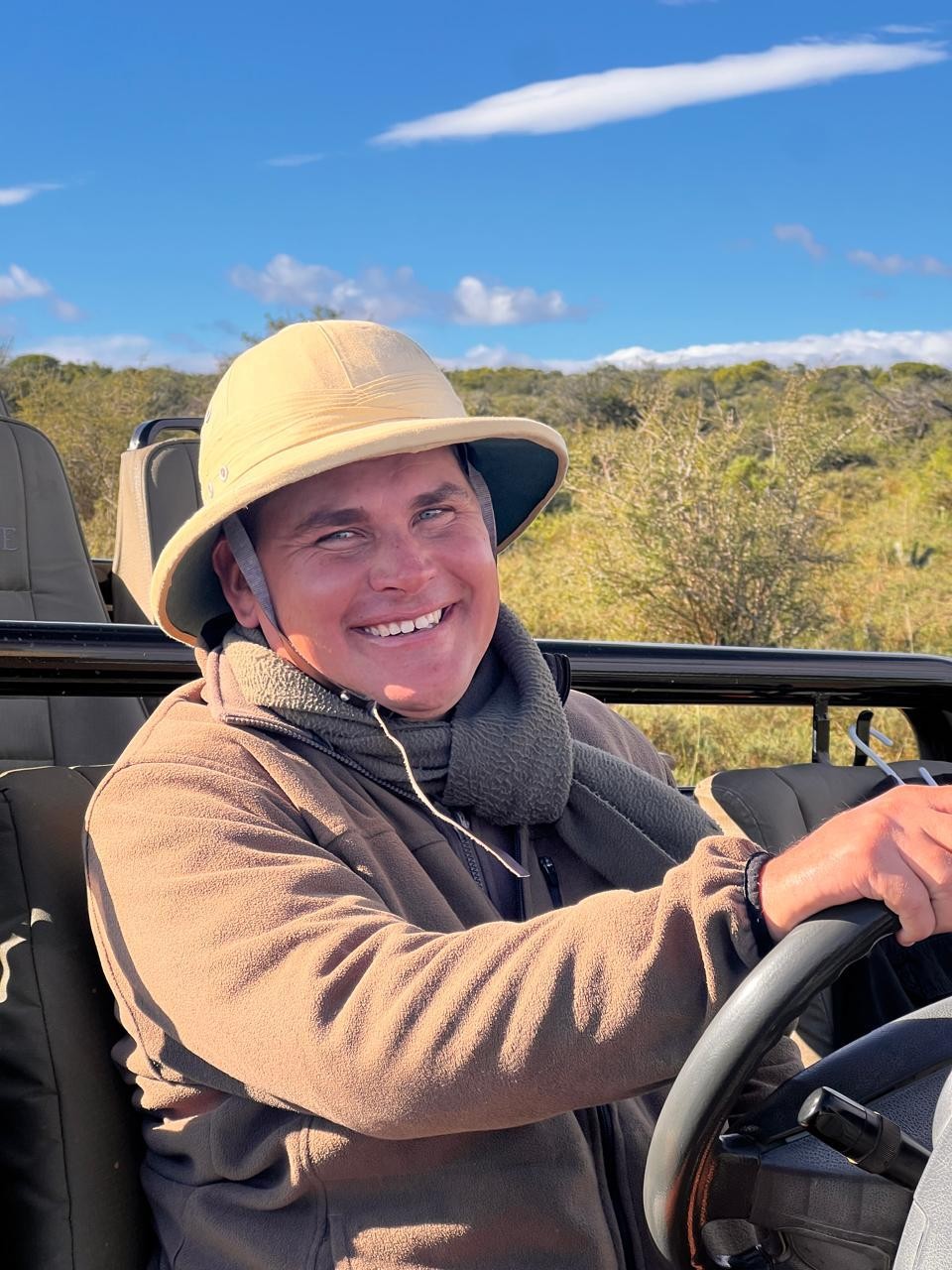
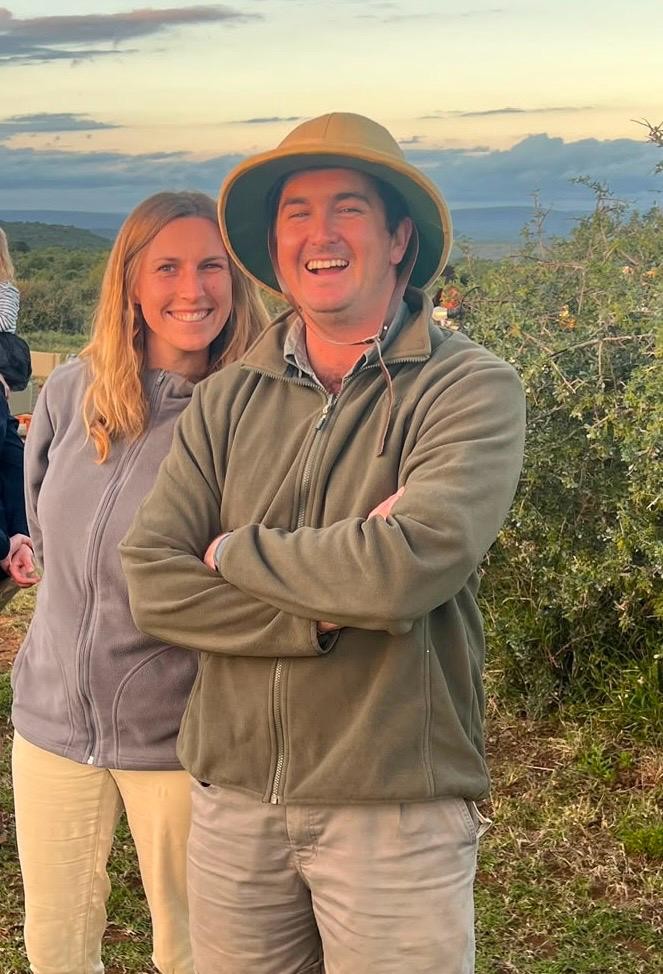
There are certain things every safari guide learns to respect. Lions, elephants, a buffalo that has decided it doesn’t particularly like you.
And, after sufficient experience, mud. And after all the winter rain of late…mud has been abundant!
Because mud is deceptive. It looks innocent enough. A little damp patch in the road, perhaps a puddle, or maybe a slightly softer section of track.
I can tell you this from first-hand experience, because as much as I tease everyone else, I can only do so because I too am a member of this elite club.
It looks like nothing to worry about.
Until you feel the momentum of the vehicle slowing. You haven’t taken your foot off the accelerator but you’re definitely slowing down, and you get that first sinking feeling in the pit of your stomach. But that’s not all that’s sinking.
You try to accelerate, even drop a gear if you weren’t already in first, but really, you already know…
Your beautifully capable safari vehicle has suddenly become an extremely expensive garden ornament. It started so confidently. One moment you’re driving through the Eastern Cape bush, the next your vehicle is sitting so deeply in the mud that you begin wondering whether the Toyota engineers ever considered fitting it with a periscope.
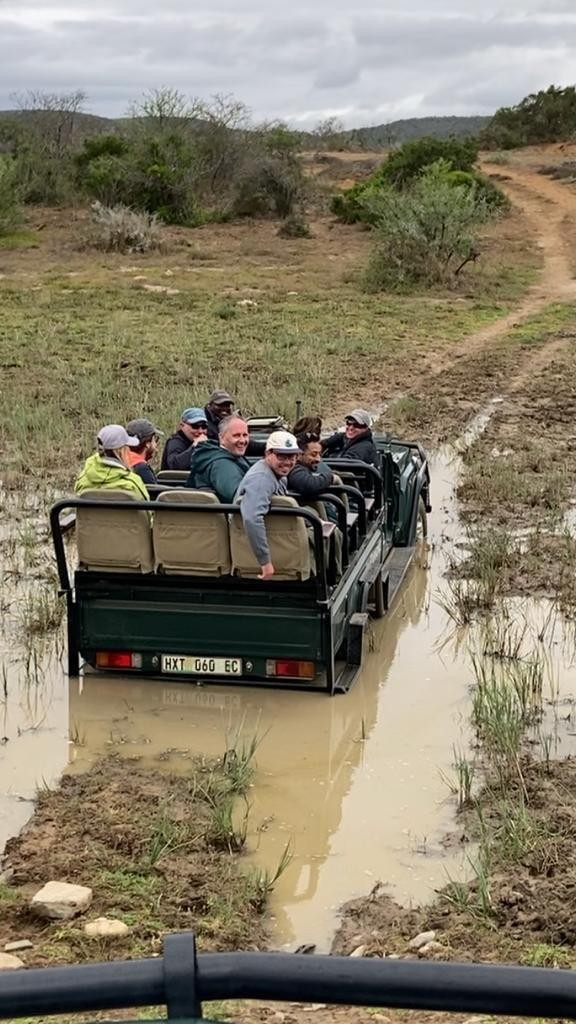
And this is just the beginning.
A sequence of events has begun that will culminate in the glory of wearing the Stuck Hat and, if you’re really lucky like Janno, a personal compliment from one of Kwandwe’s co-founders.
The first step is to see if you really are stuck. Maybe you can still get out, because a Toyota Land Cruiser is not some delicate little town car!
It is a proper safari workhorse: high clearance, four-wheel drive, diff-lock. It is built for the bush. It has carried guests through thick vegetation, over rocky tracks and across terrain that would make an ordinary vehicle reconsider its life choices.
But the only real result of this attempt is the wheels digging themselves into the soft ground with all the enthusiasm of a warthog looking for lunch, and the more you try, the more the mud responds with: “Excellent. Please continue.”
You’ve now gone from stuck to properly stuck, and you know it. For Nick, this has practically become default settings!
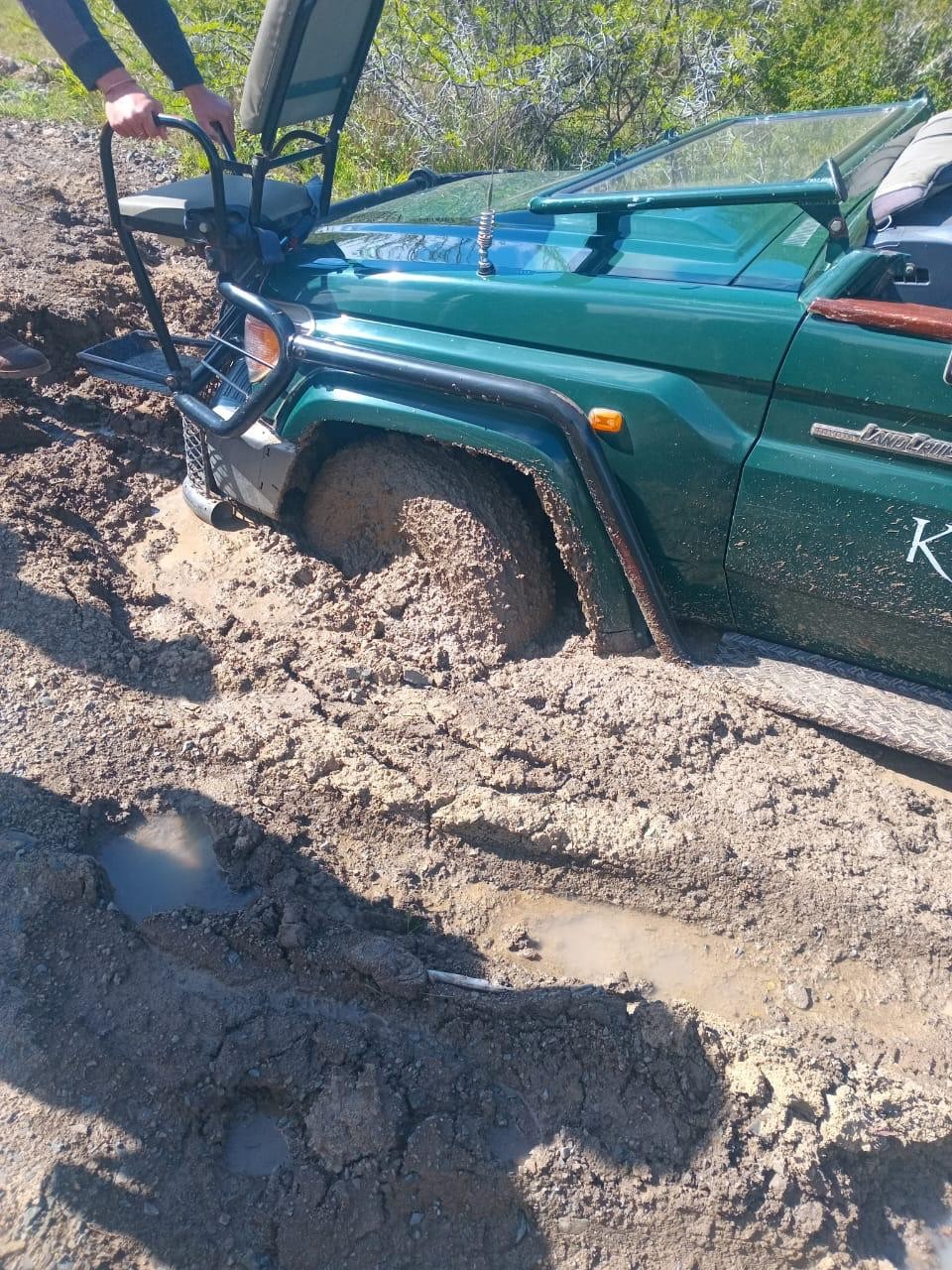
Then comes the next step in the sacred sequence, and arguably the worst.
Calling for assistance on the radio. You call for the standby ranger…you might even try to get creative with how you ask for help, doing everything in your power to avoid saying the word stuck on the radio. Because while the vehicle may have surrendered to the mud, there’s still an attempt – albeit a futile one – to salvage some self-dignity.
What happens next is inevitable and an absolute guarantee.
Someone will come over the radio in a voice loud enough to wake the dead, pretending, in Oscar-worthy fashion, that they couldn’t quite hear you. They’ll ask you to confirm, just to be absolutely sure: are you STUCK and in need of a TOW-ROPE? Because apparently, getting stuck isn’t quite humiliating enough without a public announcement.
You can picture all the other guides having a good laugh. Close your eyes and you can actually hear it…oh no, wait a second, that’s your own guests on the vehicle laughing because they also heard it.
Everyone heard it. The aardvark sleeping in a burrow 5 kilometres away heard it.
And now there is only one last moment of severe embarrassment before it will start to improve: the arrival of the standby ranger.
If you’ve hit the jackpot, he or she is alone. One or two others is manageable, but there is always the chance that the standby ranger is driving a vehicle full of guides who’ve been out training or scouting. Six or seven beaming smiles, all arriving to witness your finest hour.
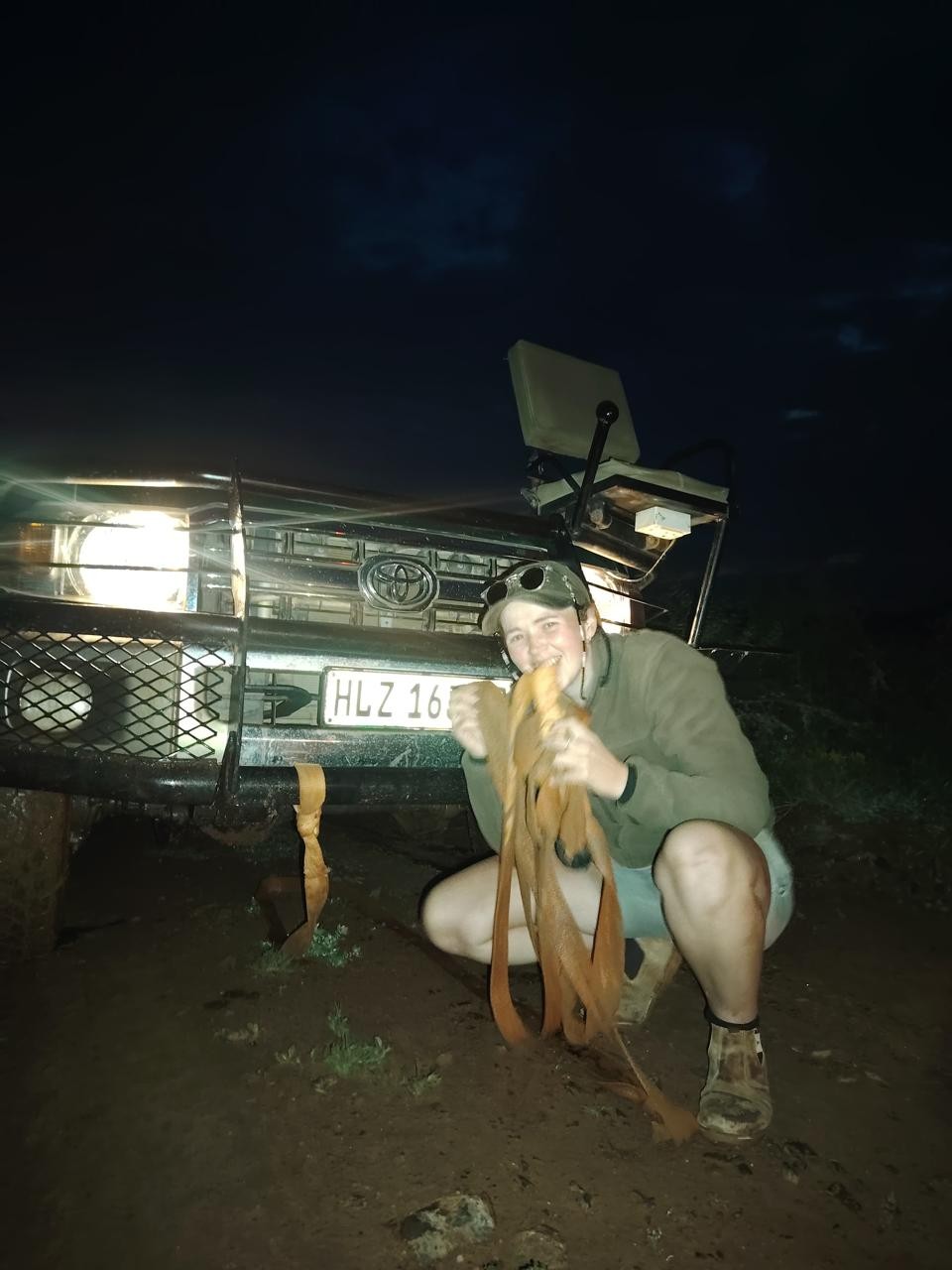
The rescue begins with the most crucial step of the entire sequence: taking photographs! After all, you’ll need documented proof for the debrief over sundowners later.
Amongst the laughing and banter, photographs are taken from several angles, with everyone trying hard to get the usually hiding culprit in at least some of the frames.

And this is the moment when every safari guide discovers an ancient truth: Getting stuck is easy, getting unstuck is a team-building exercise.
The laughter and banter continue, but there’s a job to be done, and everyone seems to know their part.
Someone gets nominated to drive the recovery vehicle, whilst someone else gets the tow rope ready.
Someone starts digging.
Someone assesses the angle, giving instructions to the recovery vehicle of where to position and which way to pull.
Someone else provides highly technical advice from a safe distance that is largely ignored.
And just like that, the team falls into place. The teasing gives way to a shared purpose, everyone doing what needs to be done to get one of our own out of trouble. Then we’re ready to pull. Usually, one or two attempts are all it takes, and you are free. You can finally step back and look in mock disbelief at the spot that got you, while the laughter starts up all over again.
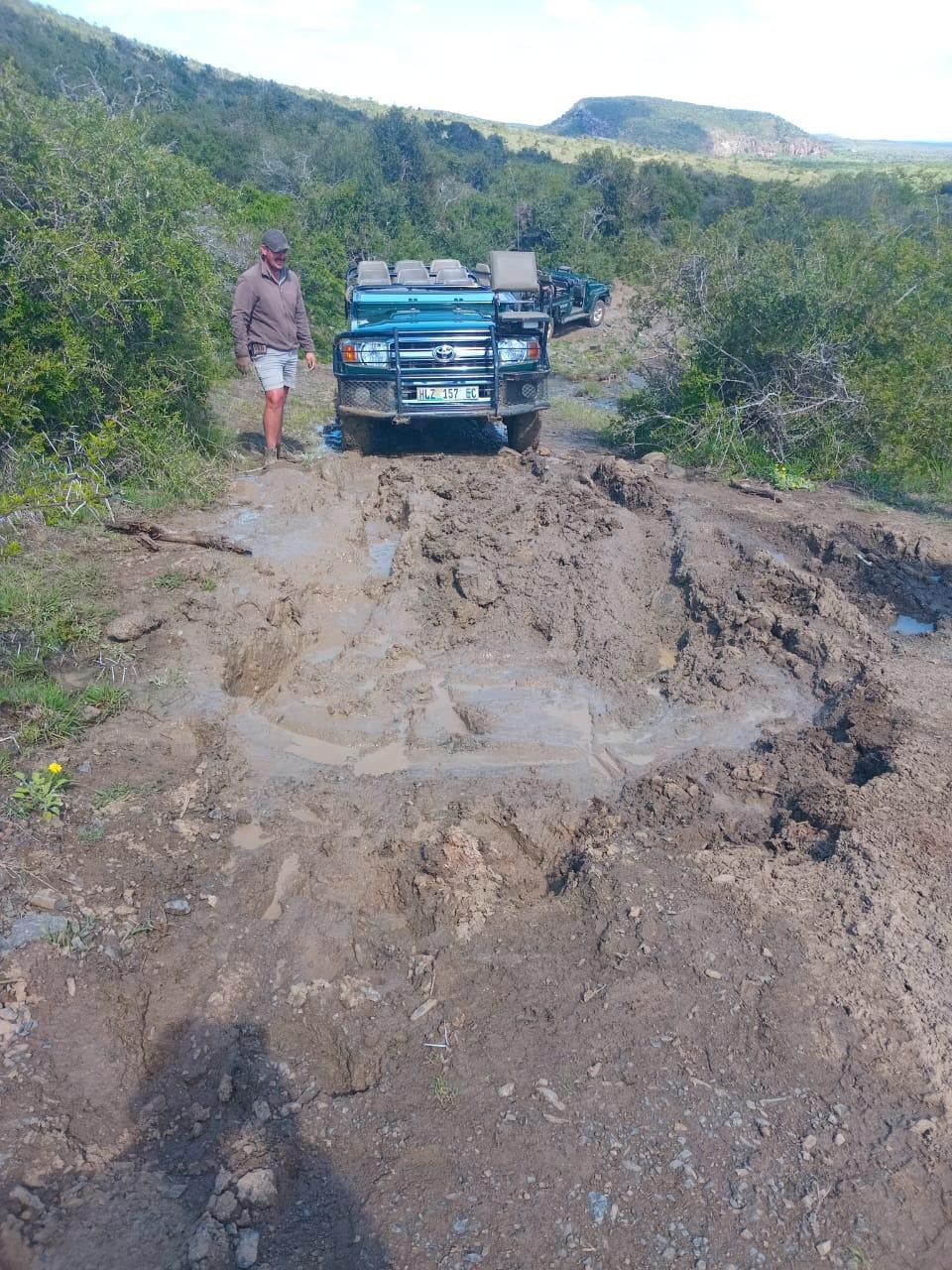
Other than cleaning copious amounts of mud off your vehicle later, only one stage of the sequence remains.
The Stuck Hat.
This is where the tradition comes in.
Safari has many traditions, morning coffee, sundowners, and for us the ancient and highly sophisticated custom of the Stuck Hat.
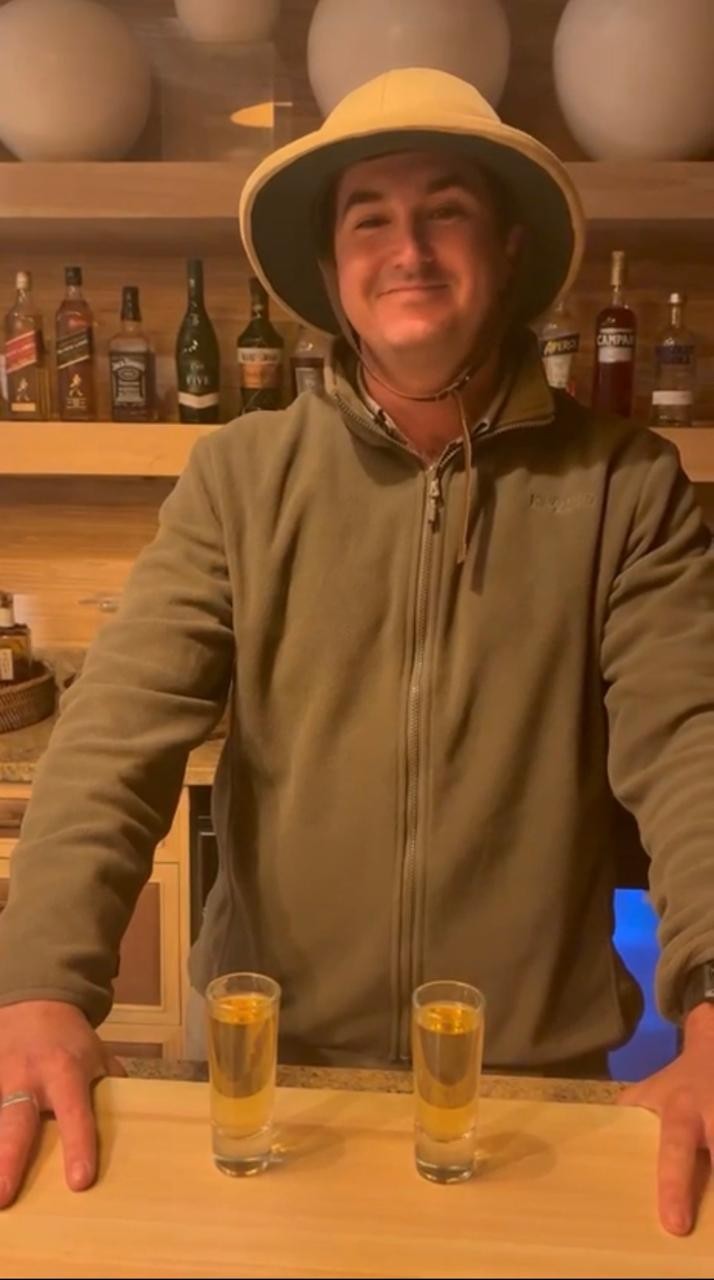
It used to be simply a shot of tequila at the lodge that evening, which is still part of it. Then this glorious item of headgear was discovered in a storeroom and the legend was born. And it continues to evolve, now that it has claimed enough victims, we write our names on it, along with the location where the unthinkable happened. Matt and Nick occupy half of it!
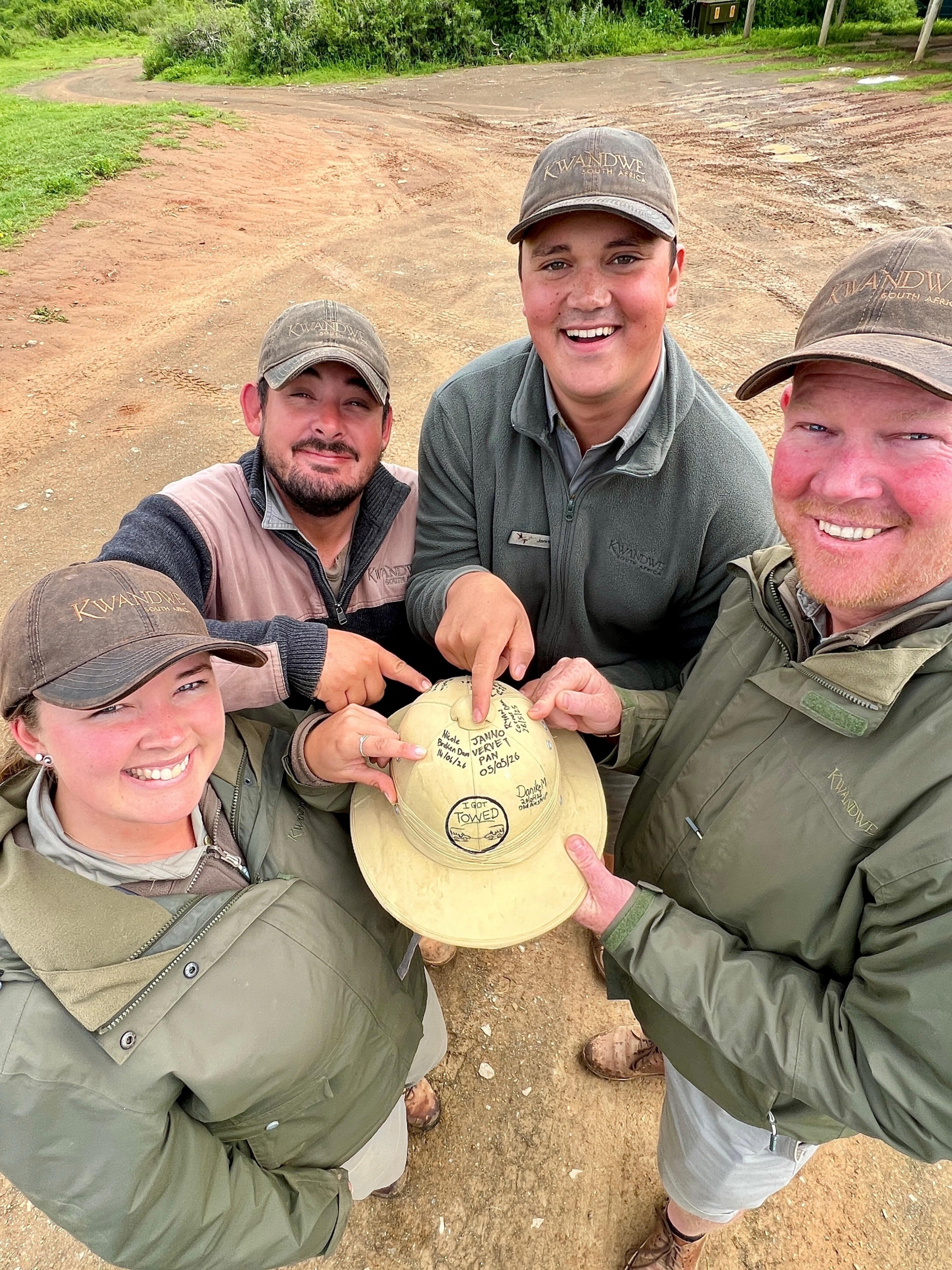
The drive eventually comes to an end, the mud gets washed off, and you might even start to think you’ve got away with it.
But not quite.
The hat has a way of finding its way to you.
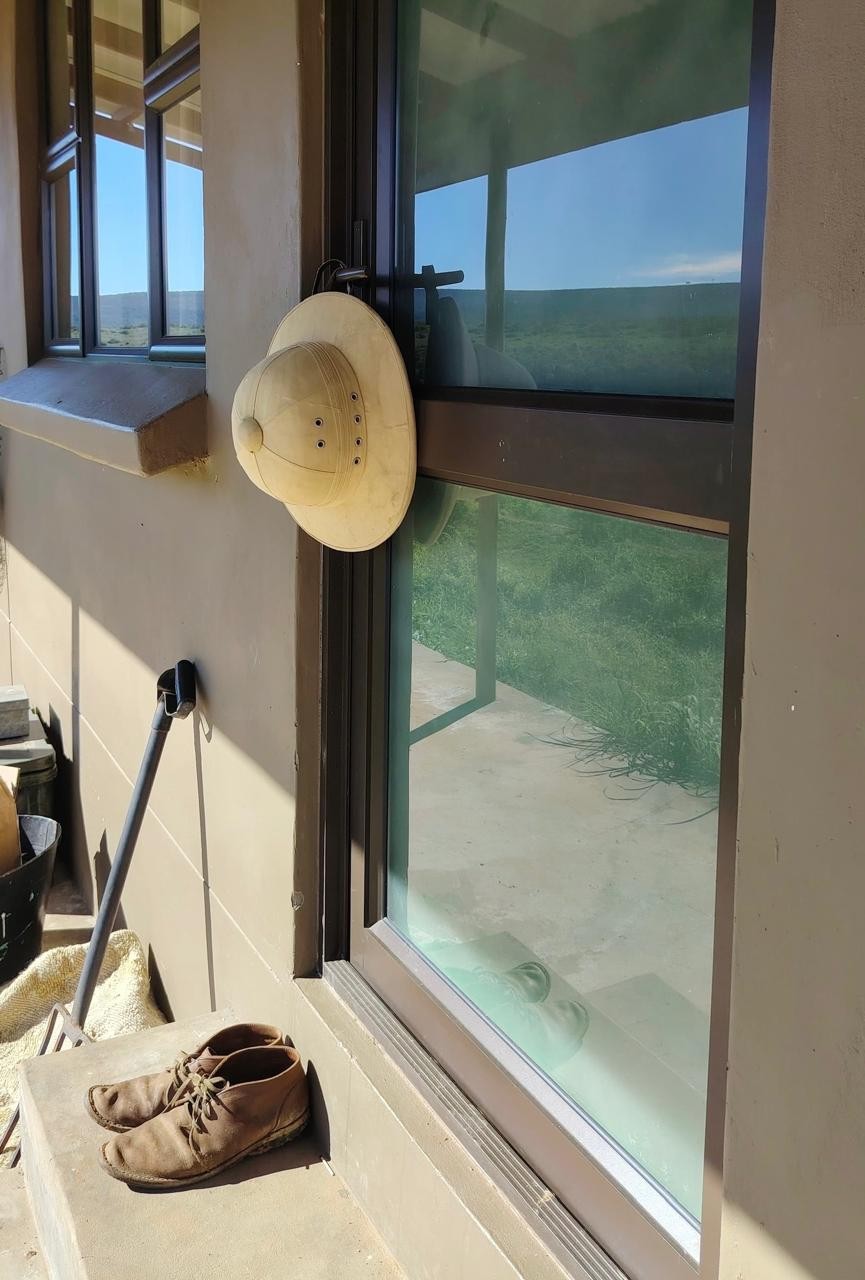
It’ll usually be waiting when you return to the lodge, or when you get home afterwards, ready for its next appearance.
The principle is simple, you get the vehicle stuck, you wear the hat on your next drive.
That’s it. No disciplinary hearing, no written warning, no angry manager.
Just the hat, and somehow that is considerably more effective.
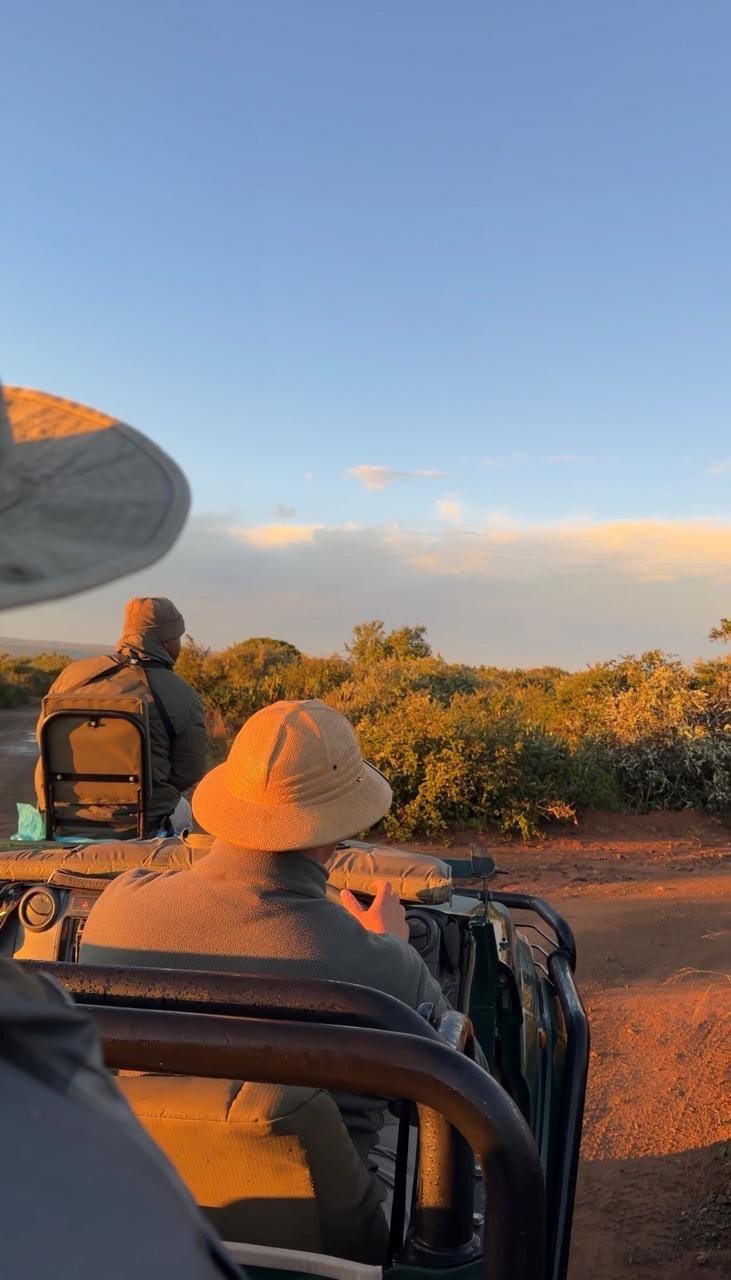
Because there is something deeply humbling about being a professional safari guide, standing in one of Africa’s most spectacular landscapes, wearing your crisply ironed khaki uniform and, if you’re a fashionista like Martin, those magnificent long socks to really pull the outfit together, whilst simultaneously being identified as The Person Who Got a Land Cruiser Stuck.
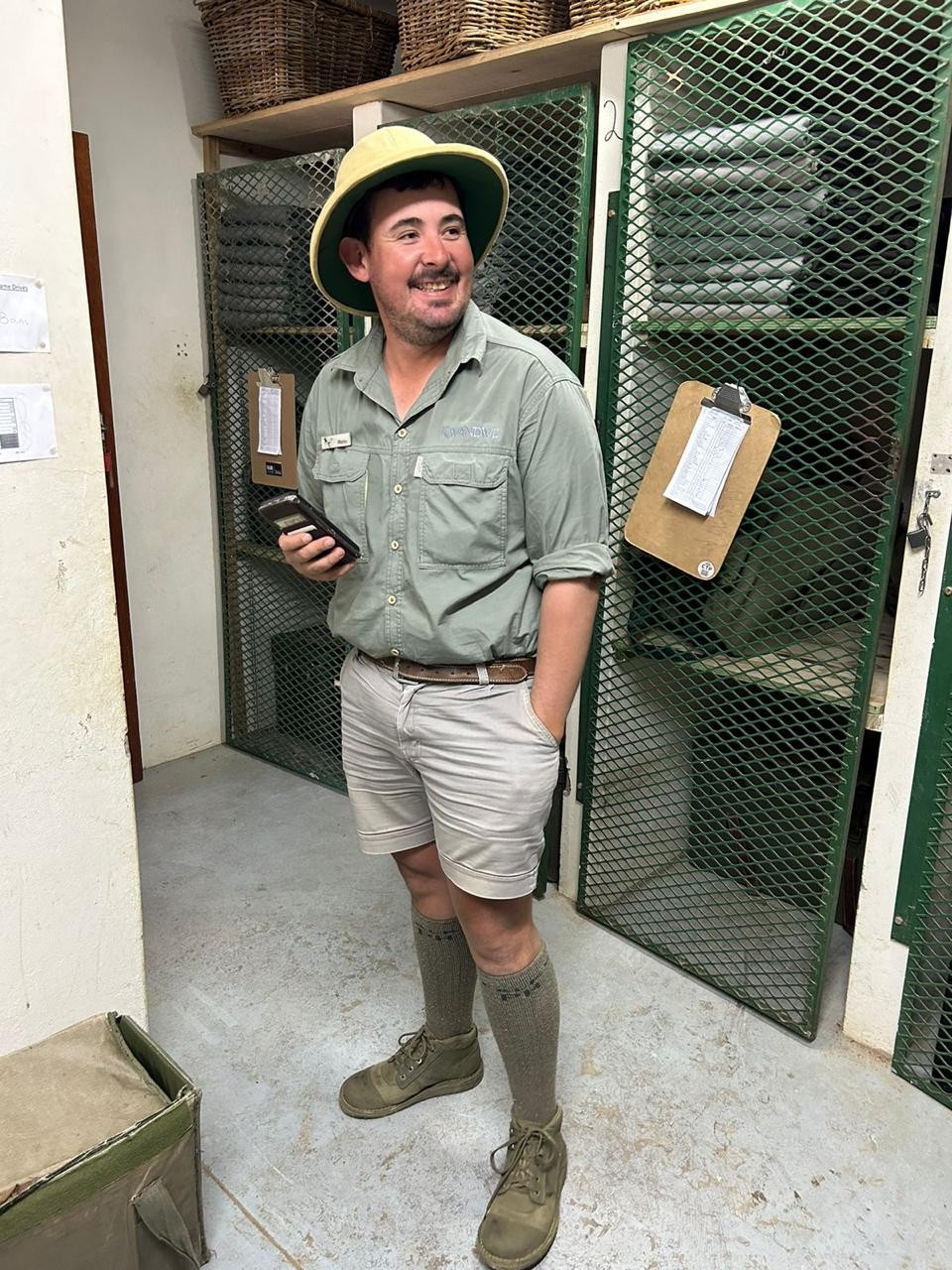
The hat says it all.
But the hat is worn with dignity, because the important thing is that the Stuck Hat is not intended to be cruel.
Quite the opposite.
It is one of those wonderful pieces of bush culture where everyone is allowed to laugh at themselves, and everyone knows that next time it could be them.
Because the bush has a very effective way of removing arrogance.
You might be the most experienced guide, you might know every track, you might even be able to read tyre marks like a forensic scientist or have spent years navigating the wilderness.
But all it takes is one particularly enthusiastic patch of mud, and suddenly you’re standing beside a recovery strap wondering where your career went wrong.
The hat goes on, the photographs come out and the story is born.
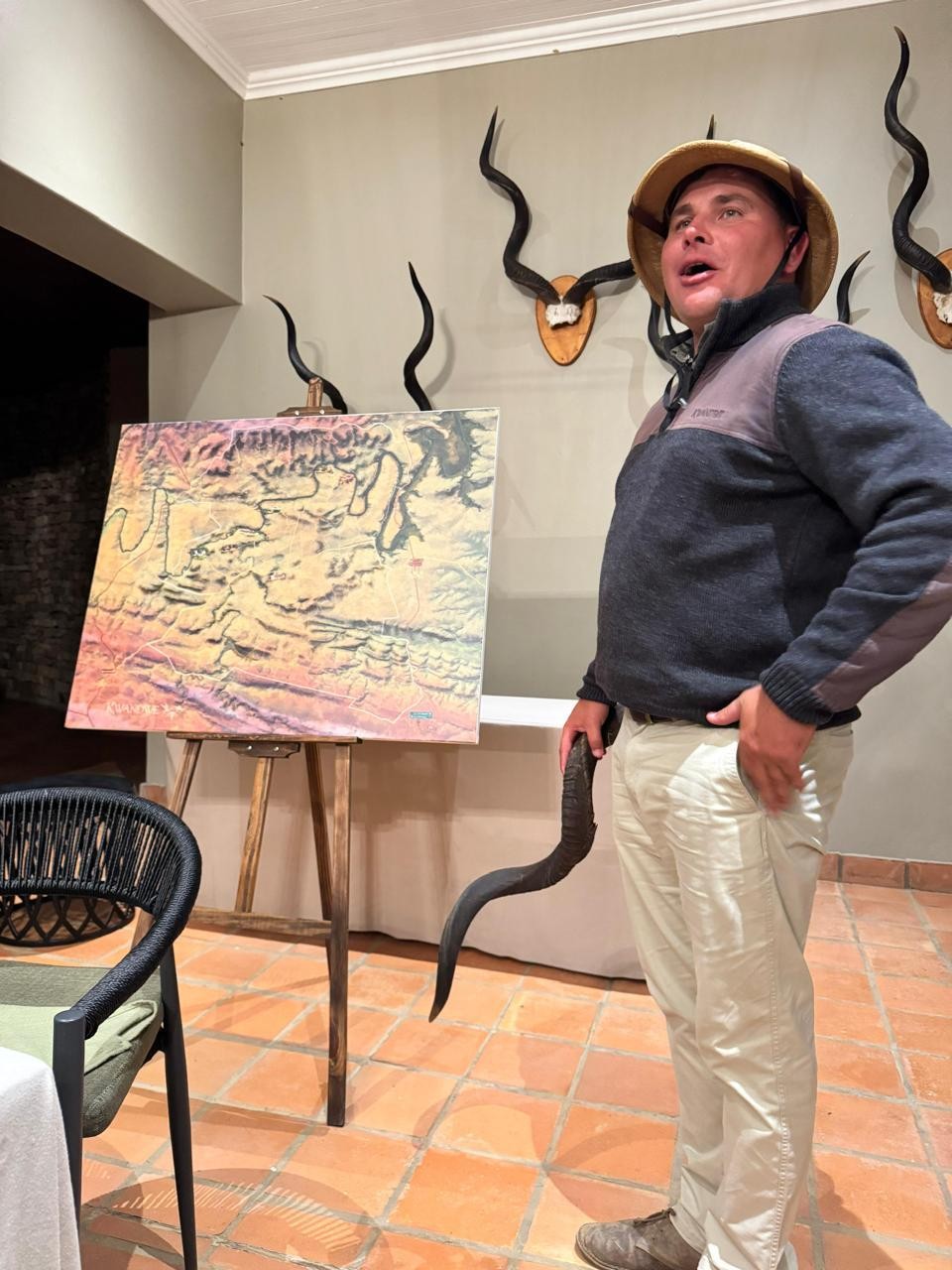
Getting stuck is part of the adventure, it happens, and the truth is that moments like this are part of what makes a safari memorable.
Nobody goes home and tells their friends only about the perfectly executed game drives.
They tell the stories, the leopard that appeared out of nowhere, the elephant that blocked the road the rainstorm that arrived at exactly the wrong moment.
And then: “Oh, and we got the Land Cruiser completely stuck in the mud.”
That story gets better every time it is told, the mud gets deeper, the vehicle gets more hopelessly embedded, the recovery operation becomes increasingly heroic.
And the person wearing the Stuck Hat becomes increasingly responsible for the entire incident!
This is how bush stories are made.
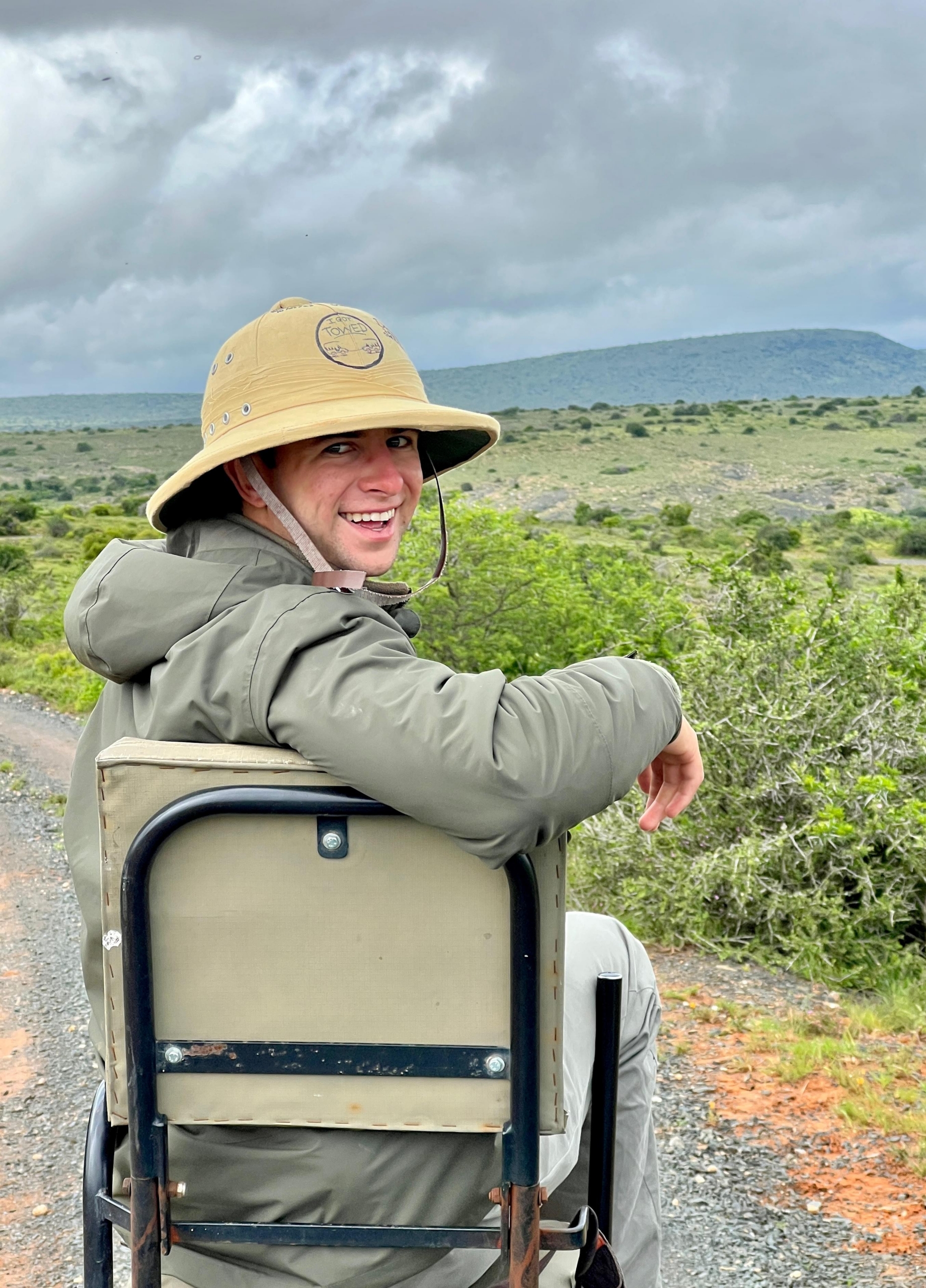
The vehicle eventually comes free, the mud eventually dries, the recovery gear gets packed away, the tyres get cleaned, the safari continues.
And the hat?
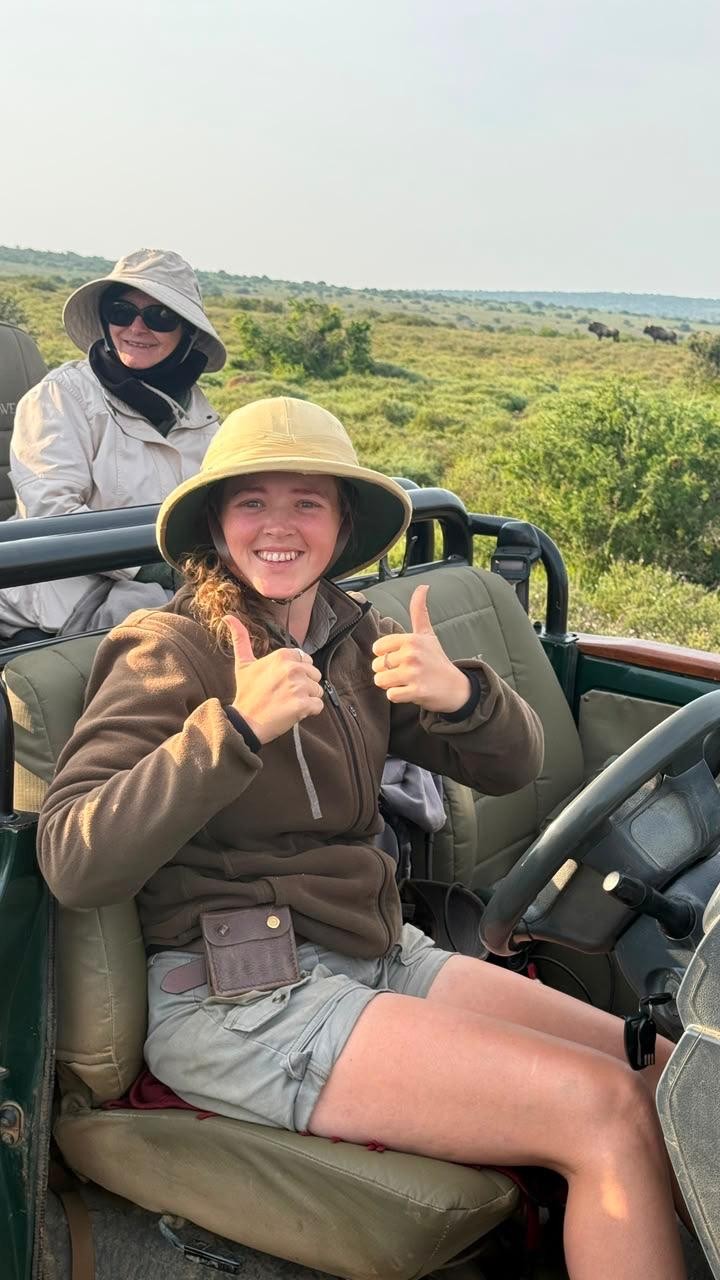
Well, the hat lives on, waiting patiently for its next victim, and if you’re the one wearing it next, there is only one appropriate response…
Smile, give two thumbs up, and remember:
You may have lost the battle with the mud, but you’ve just won yourself a safari story for life.
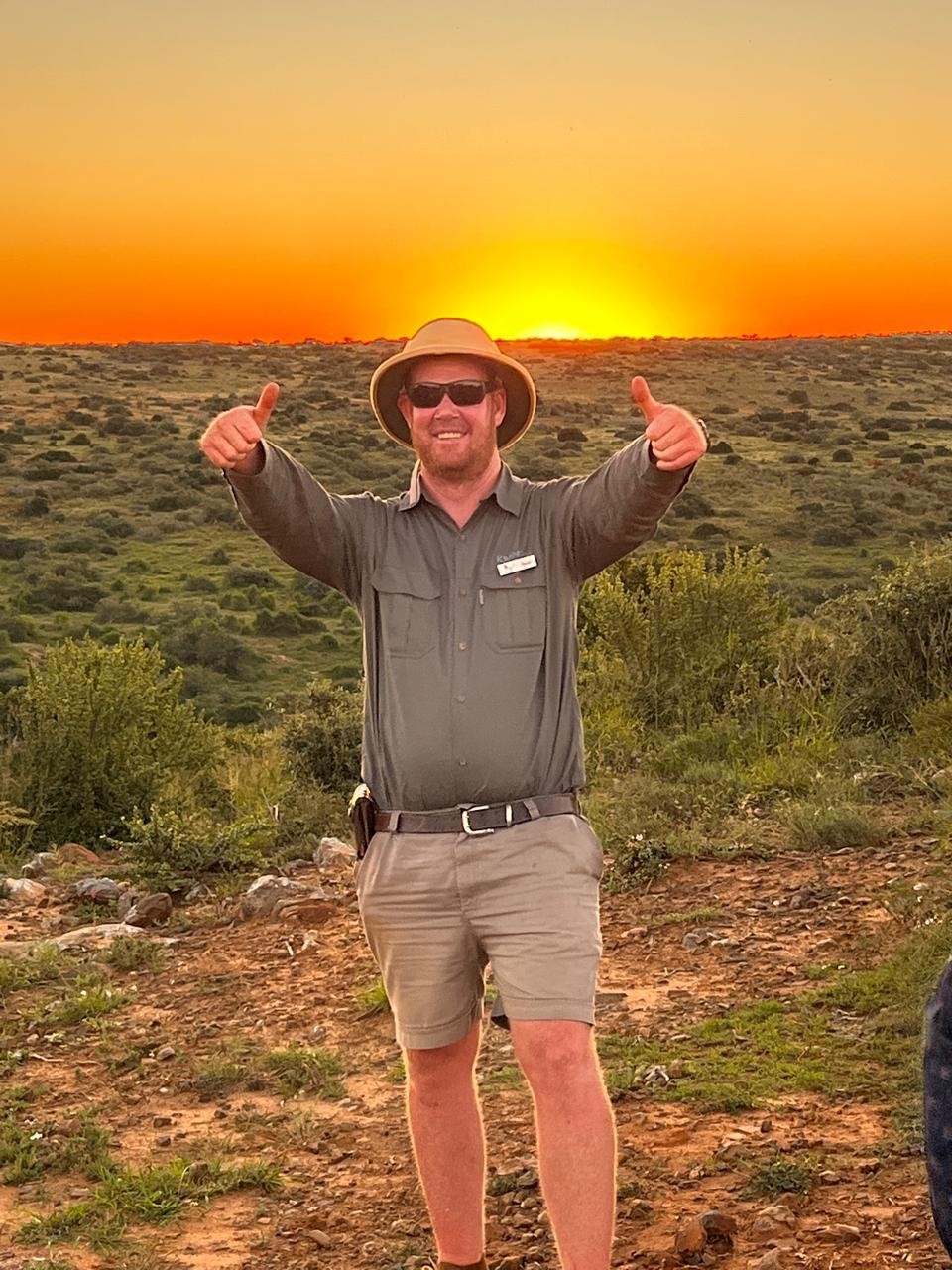
Come and collect a bush story of your own. To plan your stay at Kwandwe, contact our reservations team at reservations@kwandwe.co.za